

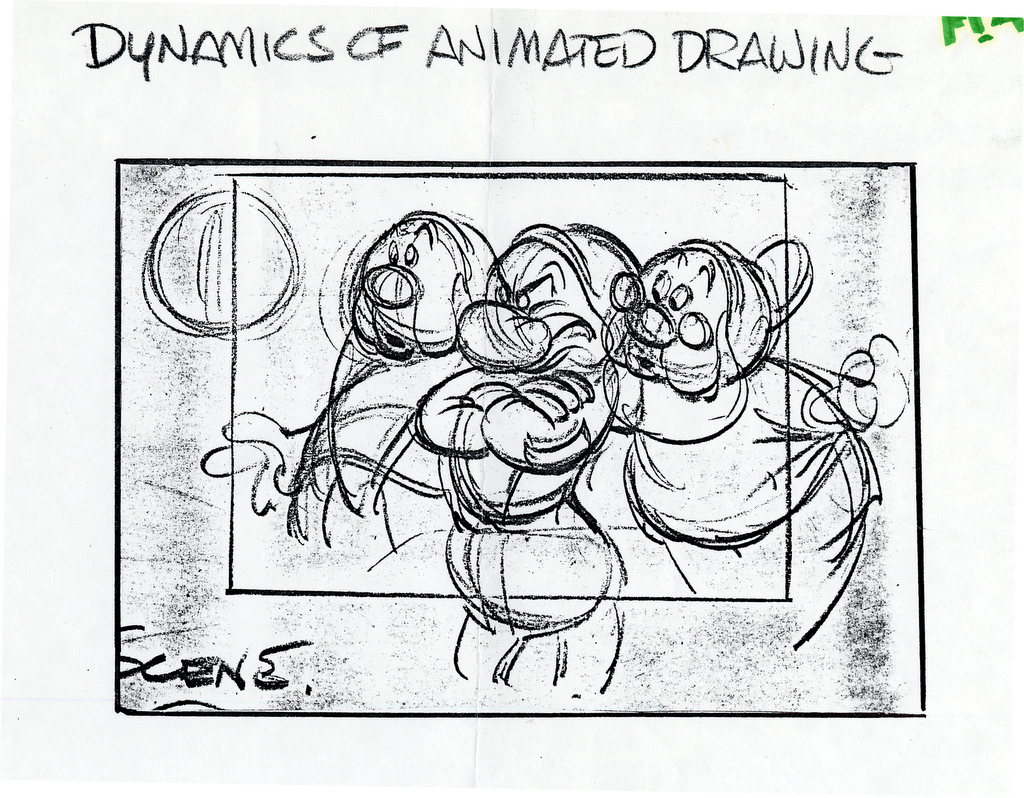
When I was a freshman at CalArts (1987-88) Glen taught the upperclassmen. He did several handouts for them, all of which I finagled a copy of. Most of those handouts have made their way to the web, but I don't think this one has made it to cyberspace yet. I couldn't find it, anyway.
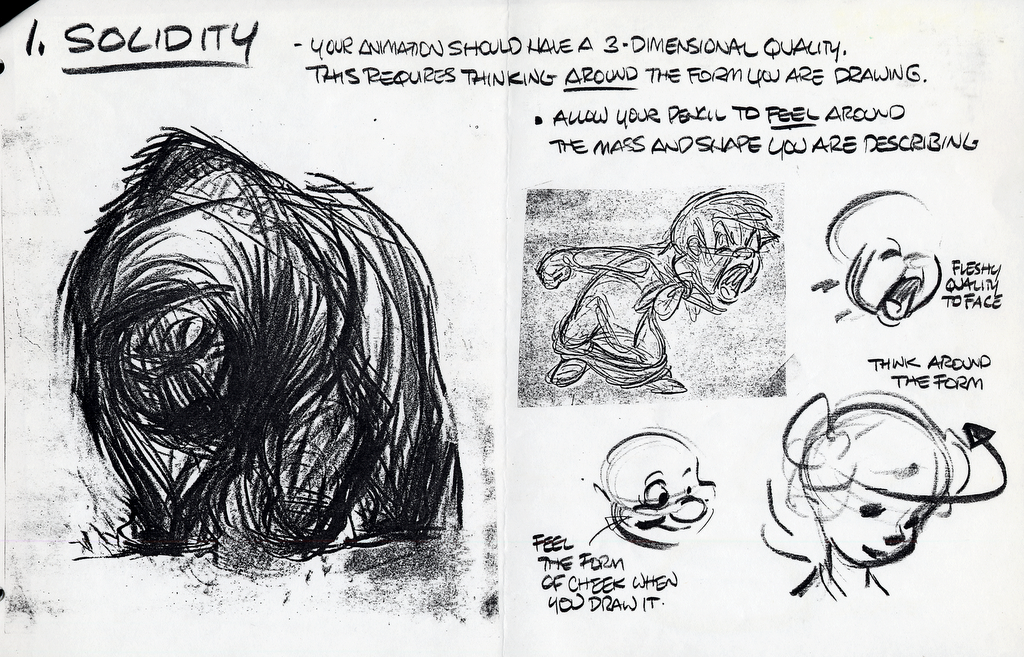
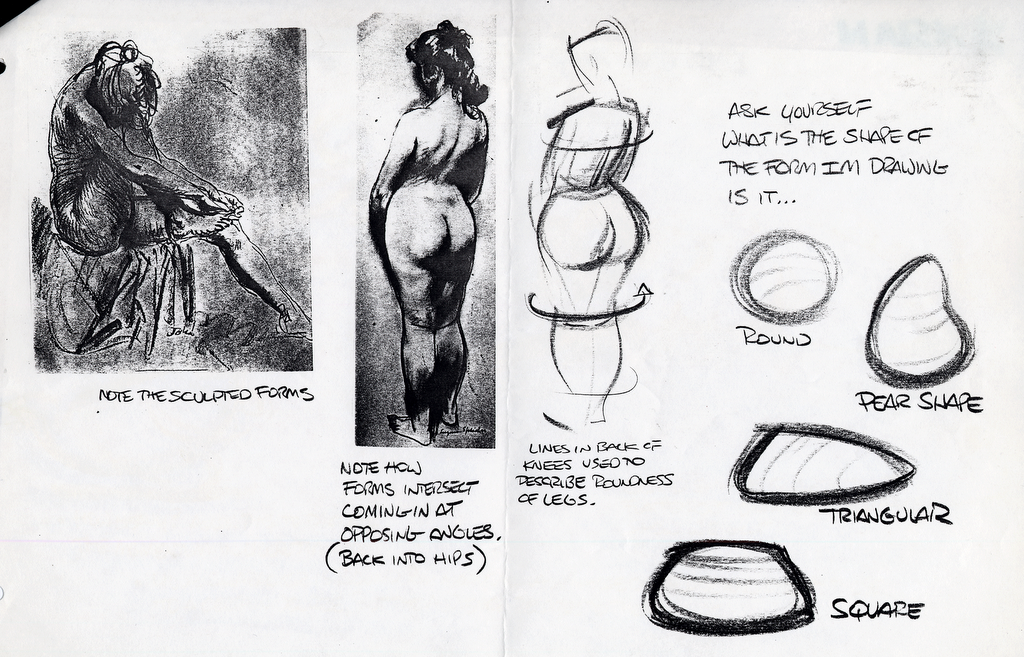
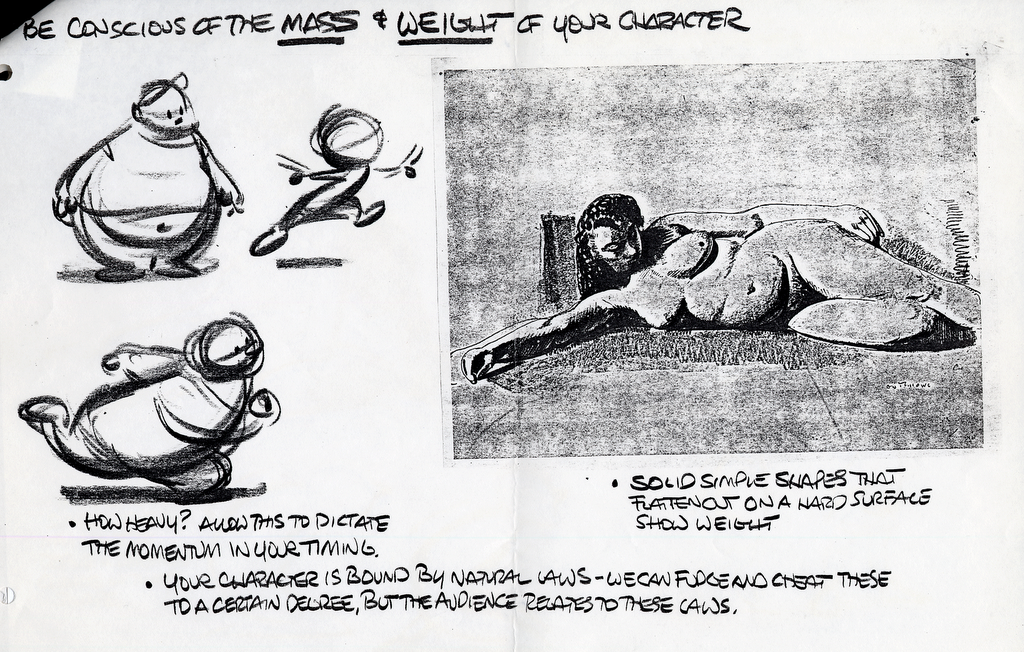
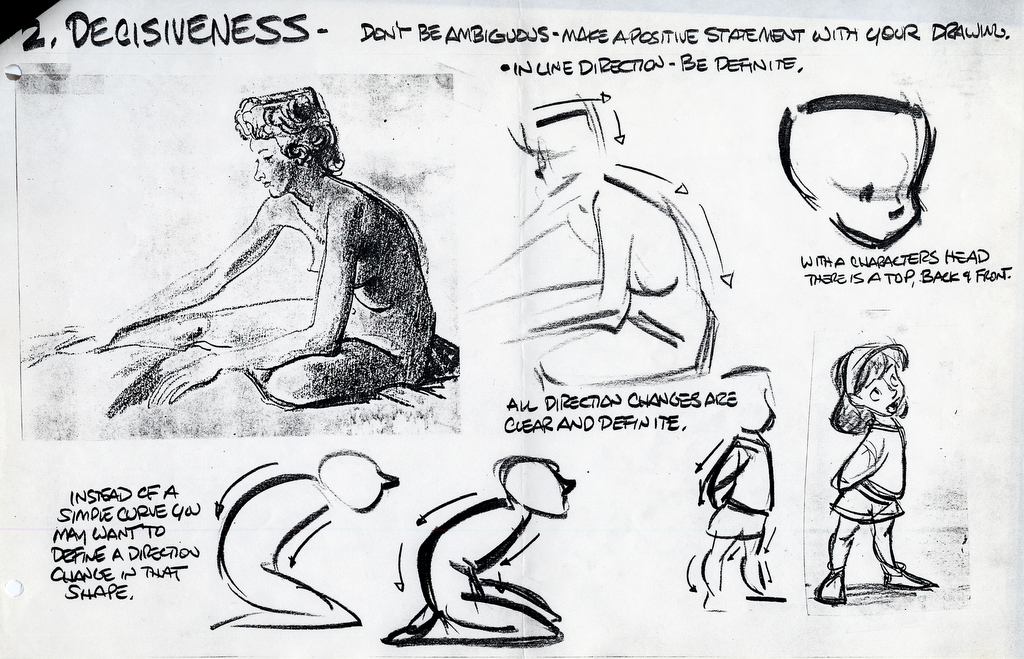
"Think around the form" is a great way to put it - your drawings have another side to them. The "unseen" side that is turned away from the viewer is still three-dimensional and exists in depth. On page 5 where Glen talks about making a decisive change in direction he is talking about thinking of drawings in planes. Thinking of objects of having definite planes (or definite changes in direction on their surface) makes them easier to turn Tin space and animate. Actually, I wouldn't know how else to draw things in space other than thinking of them as being made up of planes (by which I mean flat surfaces). even whith Mickey Mouse or other characters without angular planes on them, you have to always be aware of what is the front side of his body, the side, etc. How can you show him twisting his body if you're not aware of where the front, side and back of his body are in space?
Anyway I hope that's clear (but somehow I doubt it). I will post more on this later. Just out of curiosity, let me know if this is out there and you've already seen it. I scanned them in at a good resolution so you can get a good look at them.




0 Yorumlar